
Planning HOA and Private Road Paving in Indiana
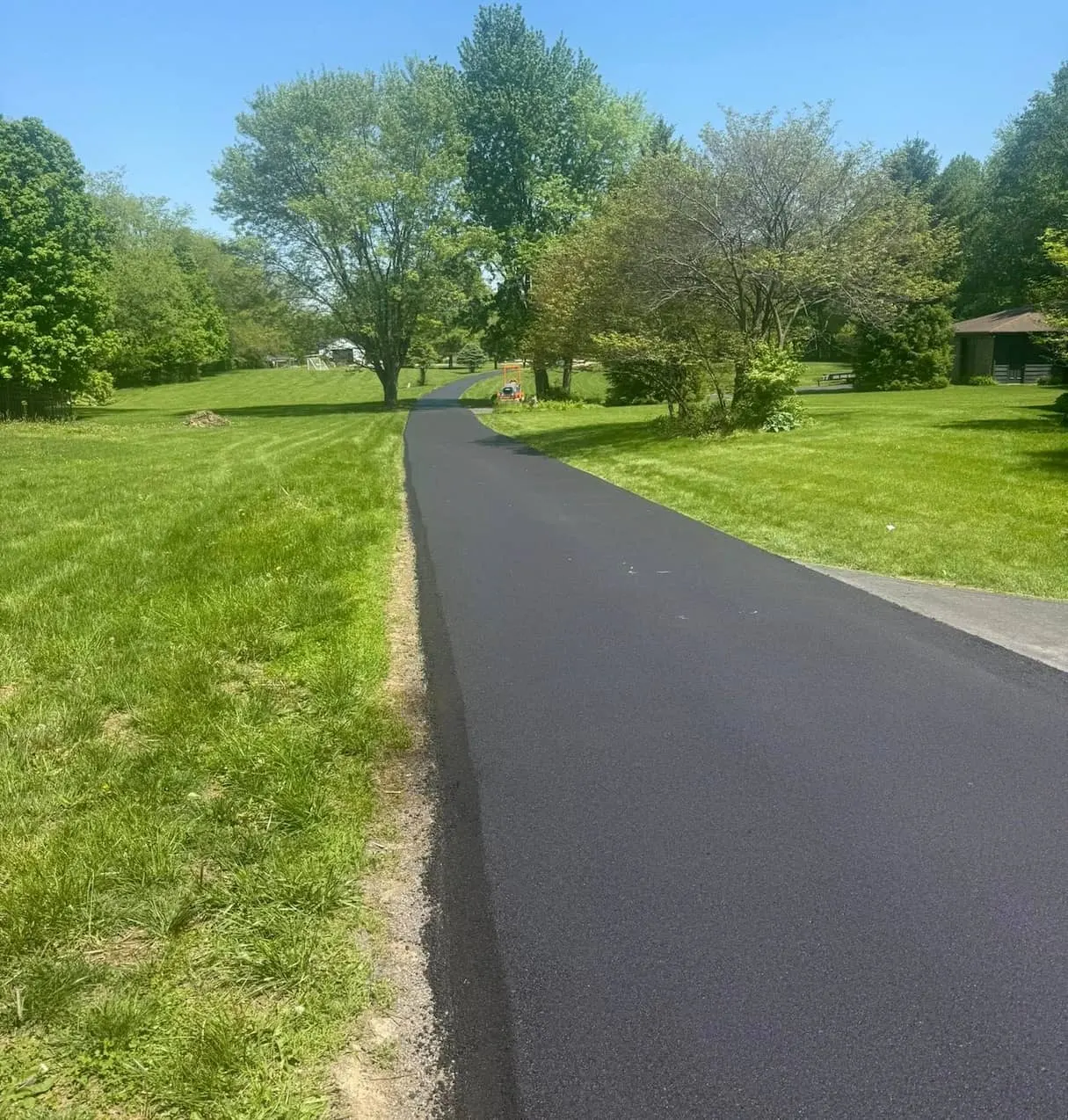
HOA road paving in Indiana goes best when the association writes down a clear scope before asking anyone for a plan: which sections get work, where residents still need access, and what condition the ground under the asphalt is in. We offer asphalt paving, and a walked route and a short list of priorities can help with planning. This guide covers how to build that list.
Set a clear scope for the road
Start by marking which sections need work. A private road rarely wears evenly. The entrance, the curves, the low spots and the stretch where trash trucks stop tend to fail first, so a single "repave the whole road" line can hide a smaller or larger job than you expect.
Then list who actually uses the road. Resident cars are the easy part. Add delivery trucks, moving vans, landscaping trailers, school buses and emergency vehicles, because heavier traffic changes how much structure the road needs. Note any driveways, mailbox clusters or gates that must stay reachable while crews work.
Last, separate paving needs from everything else. A road with a few cracks and a worn surface calls for a different plan than one with failed sections that have sunk or pumped. If the problem is deeper than the surface, the job moves toward road construction, where the old layers are rebuilt rather than covered.
- Which sections need work, and which can wait
- Where access must stay open, and for whom
- Types of vehicles, including the heaviest regular ones
- Which problems look like surface wear and which look structural
Compare the base, surface and drainage
The base is the compacted stone layer under the asphalt. It carries the load, so a new surface over a weak base will usually fail where the old one did. When you compare proposals, look for how each contractor treats the base, not only how thick the top layer is.
Walk the road after a rain if you can. Soft spots, settled edges, ruts in the wheel paths and puddles that linger may indicate base or drainage trouble. Also watch where water crosses the road from a yard, ditch or swale, since water sitting on pavement can contribute to deterioration.
Shared areas such as clubhouse lots, amenity parking and entrance plazas may have different paving requirements from the road itself. If your association has them, ask whether the contractor handles commercial asphalt paving and can price those areas as separate line items.
| What you see | What it may mean | What to ask |
|---|---|---|
| Standing water after rain | Low spot or blocked drainage path | How will the finished grade shed water? |
| Rutted wheel paths | Weak base or heavy traffic | Will the base be repaired or replaced here? |
| Crumbling edges | Missing edge support or water getting underneath | How will edges be supported and finished? |
| Cracks along old joints | Joints between paving passes opening up | How will new joints be made and sealed? |
| Road meets older pavement | Uneven transition at the connection | How will the tie in be handled? |
Plan around Indiana weather
Indiana winters bring snow and repeated freezing and thawing. Meltwater can seep into small cracks, freeze and contribute to pavement damage. A road with poor drainage usually takes that damage faster, so water problems are worth settling before the cold arrives.
Asphalt also has to be placed and compacted while it is still warm enough to work. If your association is thinking about paving in October or November, ask the contractor how late in the fall they will place asphalt and what happens to the schedule if the weather turns. Leave time to deal with drainage first, because a fresh surface laid over an unresolved moisture problem may deteriorate prematurely.
Summer and early fall storms often bring heavy rain across central Indiana, which can delay work. A schedule with some slack beats a tight one that forces crews to pave in poor conditions.
Where your road sits matters
We offer asphalt paving in Indianapolis, Mooresville and Martinsville, and the same planning steps apply in each. What changes is your own site. If your road sits on clay, runs along a slope or crosses a ditch, tell the contractor up front, since those conditions affect the base and drainage plan. Check with your city or county about permits before you set a start date.
Prepare the next steps for your association
Before you request a plan, have the board or a small committee walk the route together. Mark damaged areas, drainage concerns and access points on a simple map, and take notes on what you see. It helps to do this once in dry weather and once after a good rain.
- Walk the route and mark damage, standing water and access points.
- Gather maintenance records, including past patching and who did it.
- Agree on which sections matter most if the budget cannot cover everything.
- Decide how residents will be notified about closures and parking.
- Request a written plan and compare the scope, base work and drainage details side by side.
When bids come in, compare scope before anything else. Two proposals that look different on paper may be covering different amounts of base repair, edge work or drainage. Ask each contractor to explain what is included and what is not.
If you are ready to get a plan for your road, ask us for a Free Estimate and bring your marked map and notes.
Common questions
How long should residents stay off new asphalt?
Many crews ask residents to stay off for 24 to 48 hours, though it depends on the mix, thickness and weather. Your contractor should tell you when each section reopens and mark the closures clearly.
Can an HOA pave only part of a private road?
Often yes, if the base under the remaining sections is sound. Phasing the work can spread out the cost, but ask how the new pavement will connect to the older sections.
What should an HOA ask for in a private road paving proposal?
Ask for a written scope that names each section, the base repairs included, how drainage will be handled, how joints and edges will be finished, and how access will be kept open during the work.
Areas we serve
Our services
Have a question about your project? Call (877) 203-4688